
 India
India DRC
DRC

Why patients from DRC travel abroad for treatment
Access to certain advanced medical procedures remains limited in the Democratic Republic of Congo, particularly in areas such as complex cardiac surgery, oncology treatment, organ transplants, and specialised diagnostics. For many conditions — from rare cancers to multi-stage orthopaedic procedures — the infrastructure and specialist capacity required simply may not be available locally, leaving patients and their families to seek care elsewhere. The challenge is not one of willingness but of availability, and it affects patients in cities and provinces alike.
India has become one of the most sought-after destinations for patients making this journey. Its hospitals offer a broad spectrum of advanced treatments, performed by internationally trained specialists, at a fraction of the cost charged in Western countries. The combination of clinical depth, modern technology, and English-speaking medical teams makes India genuinely accessible — not just geographically, but practically. For patients from the DRC, India represents a realistic path to care that is both high-quality and financially within reach.
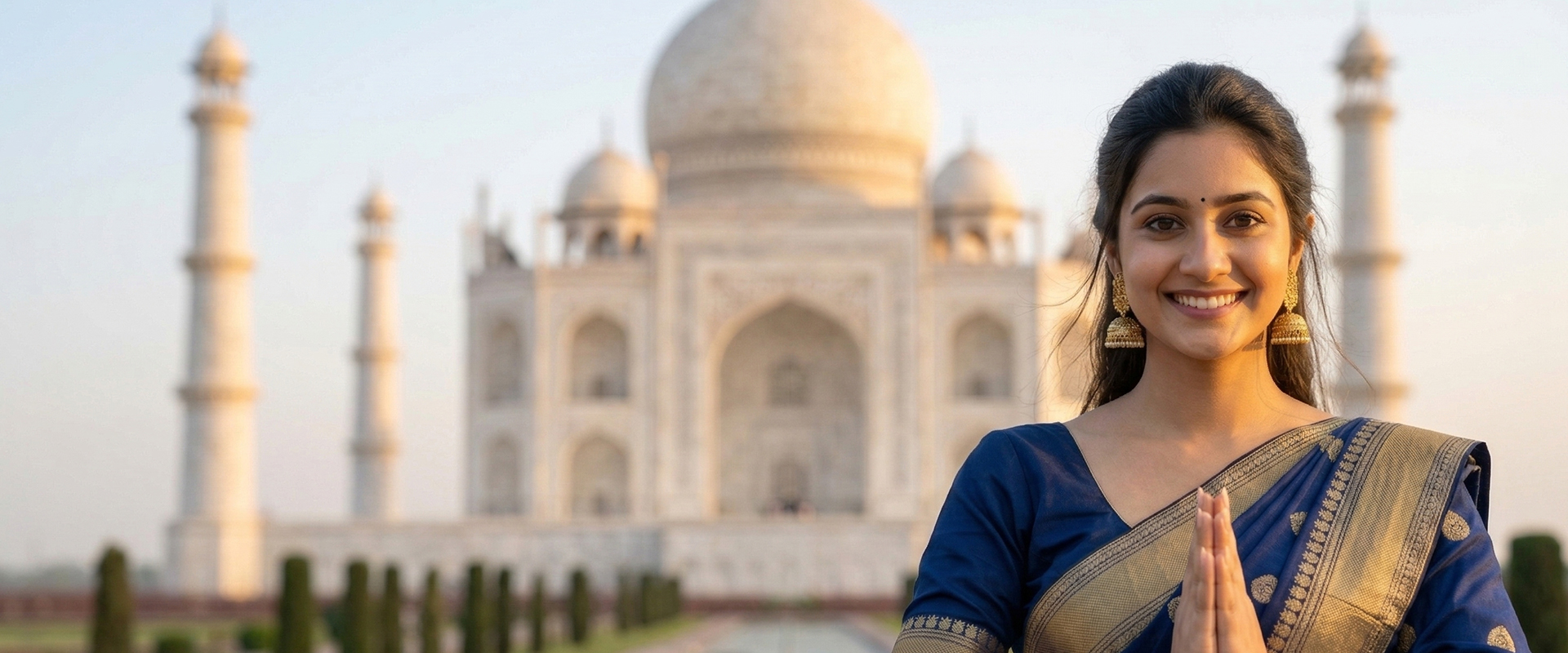
India is increasingly being trusted for medical care
India & DRC: a friendship that extends to healthcare
India and the Democratic Republic of Congo share ties that stretch back to 1962, when India was among the first countries to establish a diplomatic mission in Kinshasa. On the health and human-capital front, more than 630 Congolese officials have been trained in India under the Indian Technical & Economic Cooperation (ITEC) programme since 2006, and 55 ICCR scholarships have been availed by Congolese students to date. During the COVID-19 pandemic, approximately 1.7 million doses of Covishield — manufactured by the Serum Institute of India — reached the DRC via the COVAX mechanism in March 2021, with the DRC among the African nations acknowledged in India's Vaccine Maitri outreach.
People-to-people links reinforce this institutional goodwill: an Indian diaspora community — predominantly of Gujarati origin — is actively present in Kinshasa and Lubumbashi, with members engaged in healthcare and pharmaceuticals. As recently as March 2025, 32 DRC diplomats completed a course at India's Sushma Swaraj Institute of Foreign Service. For a DRC patient considering medical travel, India is therefore not an unfamiliar destination: the two countries' governments, professionals, and communities have built decades of mutual acquaintance that eases the practical and cultural journey.
Sources: Brief on India–Democratic Republic of Congo Relations, Ministry of External Affairs, Government of India (February 2026 & April 2026); Embassy of India, Kinshasa — Bilateral Brief (India–DRC) (April 2026); WHO AFRO — COVID-19 vaccination launch in the DRC, 19 April 2021; India's Vaccine Maitri with Africa, MP-IDSA.
Specialties for which patients generally travel to India
Heart treatment leads the corridor — across Cardiac Surgery and Cardiology, patients from DRC most often travel for Coronary Angioplasty & Stenting, Coronary Artery Bypass Grafting (CABG), Heart Transplant Surgery, Heart Valve Replacement Surgery, Pacemaker Implantation and TAVI / TAVR.
Cancer care is another major draw: Medical Oncology, with Cancer Immunotherapy, Chemotherapy for Cancer and Targeted Therapy for Cancer among the most sought treatments.
Many patients also come for Brain, spine & nerve care — Neurosurgery — particularly Brain Tumor Surgery.
Eye, ear & dental care (Ophthalmology) is also among the care patients from DRC commonly seek in India.
Bone & joint care is another major draw: Orthopedics, with Hip Replacement and Knee Replacement Surgery among the most sought treatments.
Popular Hospitals for DRC patients in India
Accredited partner hospitals — specialties, doctors, facilities and accreditations. →
Medical visa from DRC to India
Visa requirements for Congolese travellers are set by the Government of India and change from time to time. Rather than publish a procedure that may be out of date, we point you to the official source and confirm your position with you personally.
Check the official Indian government portal: indianvisaonline.gov.in — it is the only authorised site, and no third party can issue an Indian visa on your behalf.
Tell us you are travelling from DRC and we will confirm what applies to you, what documents you need and what it costs — usually the same day you ask. Whichever route applies, we arrange the hospital invitation letter free of charge and guide you through the paperwork.
What to bring
- Medical reports & scans — all recent reports, imaging (on disc or drive), prescriptions and discharge summaries, ideally also as digital copies;
- Passport & photos — valid at least 6 months beyond arrival, plus a few passport-size photographs;
- Current medicines — in original packaging, with the prescriptions that cover them;
- A letter from your local doctor — diagnosis and treatment history, if available;
- Payment — an internationally enabled card and/or US dollars; hospitals accept both, and our team advises on the best way to pay;
- Comfortable clothing — loose, layered clothes for hospital stays and recovery;
- Travel documents & hospital papers — your passport, any visa or entry documents that apply to your nationality, and the hospital invitation letter;
- Your companion's documents — passport, photographs and their own travel documents.
Getting to India from DRC
Patients travelling from the DRC to India will typically depart from Kinshasa, Lubumbashi, or Goma, connecting through major regional or international hubs such as Nairobi, Addis Ababa, or Dubai before arriving in India. The most common entry points are Delhi, Mumbai, Chennai, and Hyderabad, all of which are well served by international flights and sit close to major hospital clusters. Typical total journey time including connections from Kinshasa/Lubumbashi/Goma to major Indian gateway cities approximately takes around 16-22 hours. Ginger Healthcare's team coordinates arrival support — including airport pickup and transfer to the hospital or accommodation — so that patients and their companions are guided from the moment they land, regardless of the hour.
Live prices from real airline searches — compare dates, airlines and stopovers before you budget. Opens in a new tab. See routes & fares →
Planning the cost of treatment in India
Planning a medical journey involves more than the treatment itself. Understanding the full picture of costs ahead of time allows patients and families to make informed decisions and arrange finances before they travel — avoiding unwelcome surprises at a difficult moment.
- Treatment cost: Varies depending on the diagnosis, the treating hospital, and the specific doctor or surgical team involved.
- Visa fees: Whatever visa applies to your nationality carries a government fee, plus a small bank processing charge. We confirm the current route and fee with you before you apply — see the visa section below.
Bringing all of these elements together into a single, realistic advance estimate is exactly what the Medical Tourism Cost Calculator is designed to do — covering treatment, visa, airfare and accommodation in one place. Dedicated counsellors are available around the clock to walk through the figures and answer any questions that arise during planning.
| Procedure | Indicative cost (USD) |
|---|---|
| Brain Tumor Surgery | $4,000 - $11,000 |
| Chemotherapy for Cancer | $500 - $2,000 |
| Coronary Angioplasty & Stenting | $4,500 - $7,000 |
| Coronary Artery Bypass Grafting (CABG) | $3,500 - $7,000 |
| Heart Valve Replacement Surgery | $5,000 - $9,000 |
| Hip Replacement | $5,500 - $9,500 |
| Knee Replacement Surgery | $5,000 - $14,000 |
Indicative ranges for international patients — each procedure links to its detailed page. The final estimate depends on your medical reports, the hospital and the doctor.
🧮 Medical Tourism Cost CalculatorTreatment + visa + travel fare + stay — one tentative estimate, free. Estimate now →
Frequently asked questions — DRC
Will I be able to communicate with doctors and hospital staff in English?
Yes. English is widely used across Indian hospitals in patient-facing roles — doctors, nurses, and patient coordinators typically communicate in English. Ginger Healthcare's own team is also on hand to assist with communication and coordination throughout your stay.