
 India
India Mongolia

Why patients from Mongolia travel abroad for treatment
Mongolia has made considerable strides in its healthcare infrastructure in recent years, yet access to certain advanced medical procedures — among them complex cardiac surgery, oncology treatment, organ transplants, and specialised neurosurgical care — remains limited in availability or capacity. Patients requiring these interventions often find that the options accessible at home are few, and waiting for a procedure locally can mean a meaningful delay at a time when early treatment matters most.
India has become a natural destination for many Mongolian patients seeking care of this kind. World-class tertiary hospitals, internationally trained specialists, and technology comparable to the best centres in Asia and beyond are available at a fraction of what treatment would cost in Western countries or even in some neighbouring regions. The geographical proximity relative to Europe, a well-established medical facilitation ecosystem, and strong English-language clinical communication all make India a practical and reassuring choice. For patients from Ulaanbaatar and elsewhere across Mongolia, the combination of clinical depth and relative accessibility is increasingly compelling.
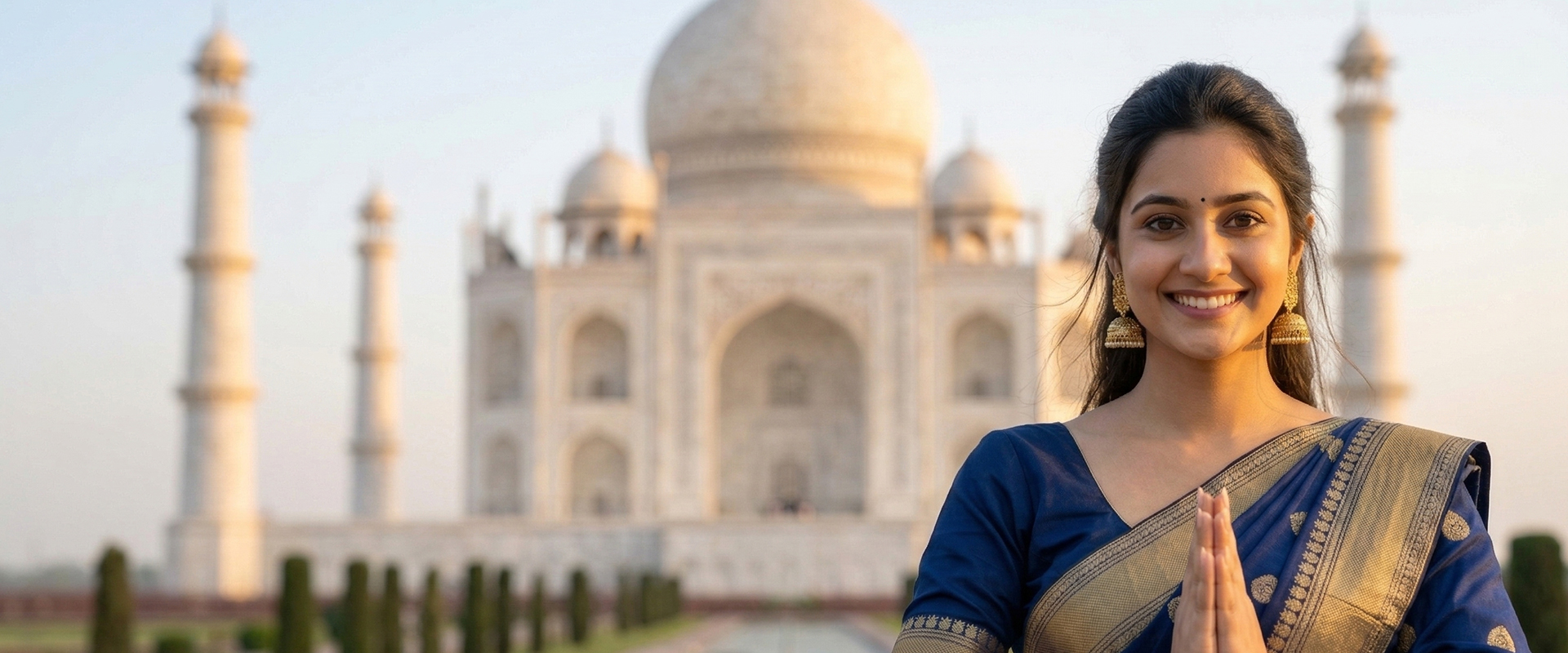
India is increasingly being trusted for medical care
India & Mongolia: a friendship that extends to healthcare
India and Mongolia, strategic partners since 2015, have built a friendship that reaches directly into healthcare. During the COVID-19 pandemic, India donated approximately 150,000 AstraZeneca vaccine doses to Mongolia under its Vaccine Maitri initiative — gifts that kick-started Mongolia's national vaccine rollout in February 2021. Indian medical missions have brought equipment, medicines, and specialist doctors to Ulaanbaatar to perform neurosurgery, microsurgery, anaesthesiology, and plastic surgery, while training Mongolian counterparts alongside. In 2023, India's Defence Ministry gifted two advanced life-support ambulances to the Mongolian Armed Forces. A 2025 MoU on Yoga and Traditional Medicine further formalised wellness cooperation, and India regularly exports medicines to Mongolia as part of bilateral trade.
People-to-people ties reinforce this medical bond. Over 3,500 Mongolian professionals have trained in India through the Indian Technical and Economic Cooperation (ITEC) programme — up to 150 fully funded slots per year — spanning healthcare, IT, and governance. This sustained exchange means that when Mongolian patients travel to India for advanced treatment, they arrive in a country whose hospitals, processes, and even some practitioners are already familiar to them, making India a natural and trusted destination for specialized medical care.
Sources: WHO Mongolia News Release, 23 February 2021; Embassy of India, Ulaanbaatar — India–Mongolia Bilateral Brief (mea.gov.in/Portal/ForeignRelation/India_Mongolia2021.pdf); Embassy of India, Ulaanbaatar (eoimongolia.gov.in) — Defence & ITEC cooperation details; IANS / The Hawk, 19 September 2025 — ITEC 61st Anniversary, Ulaanbaatar.
Specialties for which patients generally travel to India
Heart treatment leads the corridor — across Cardiac Surgery, patients from Mongolia most often travel for Coronary Artery Bypass Grafting (CABG), Heart Transplant Surgery and Heart Valve Replacement Surgery.
Digestive & liver care is another major draw: Gastroenterology & Hepatobiliary, with Chronic Hepatitis B, Chronic Hepatitis C and Liver Cirrhosis among the most sought treatments.
Many patients also come for Cancer care — Medical Oncology and Surgical Oncology — particularly Chemotherapy for Cancer and Targeted Therapy for Cancer.
Brain, spine & nerve care completes the picture across Neurosurgery, most commonly for Brain Tumor Surgery and Pituitary Tumor Surgery.
Bone & joint care is another major draw: Orthopedics, with Hip Replacement and Knee Replacement Surgery among the most sought treatments.
Popular Hospitals for Mongolia patients in India
Accredited partner hospitals — specialties, doctors, facilities and accreditations. →
Medical visa from Mongolia to India
Visa requirements for Mongolian travellers are set by the Government of India and change from time to time. Rather than publish a procedure that may be out of date, we point you to the official source and confirm your position with you personally.
Check the official Indian government portal: indianvisaonline.gov.in — it is the only authorised site, and no third party can issue an Indian visa on your behalf.
Tell us you are travelling from Mongolia and we will confirm what applies to you, what documents you need and what it costs — usually the same day you ask. Whichever route applies, we arrange the hospital invitation letter free of charge and guide you through the paperwork.
What to bring
- Medical reports & scans — all recent reports, imaging (on disc or drive), prescriptions and discharge summaries, ideally also as digital copies;
- Passport & photos — valid at least 6 months beyond arrival, plus a few passport-size photographs;
- Current medicines — in original packaging, with the prescriptions that cover them;
- A letter from your local doctor — diagnosis and treatment history, if available;
- Payment — an internationally enabled card and/or US dollars; hospitals accept both, and our team advises on the best way to pay;
- Comfortable clothing — loose, layered clothes for hospital stays and recovery;
- Travel documents & hospital papers — your passport, any visa or entry documents that apply to your nationality, and the hospital invitation letter;
- Your companion's documents — passport, photographs and their own travel documents.
Getting to India from Mongolia
Most patients travelling from Mongolia depart from Ulaanbaatar's Chinggis Khaan International Airport. Direct flights to India are not currently available on all routes, and most itineraries involve a connection through a hub such as Beijing, Seoul, or a Gulf city before continuing to major Indian medical destinations including Delhi, Mumbai, Chennai, or Bangalore. Once patients land in India, Ginger Healthcare arranges airport reception, transfer to the hospital or pre-admission accommodation, and on-the-ground support throughout the stay — so the logistics of an unfamiliar city do not add to the pressure of an already demanding journey.
Live prices from real airline searches — compare dates, airlines and stopovers before you budget. Opens in a new tab. See routes & fares →
Planning the cost of treatment in India
Planning a medical journey involves thinking beyond the hospital bill. Several distinct categories of expenditure come into play, and understanding each of them early helps patients and their families prepare with confidence.
- Treatment cost — varies according to the diagnosis, the specific procedure, the hospital chosen, and the treating doctor's experience and seniority.
- Visa fees: Whatever visa applies to your nationality carries a government fee, plus a small bank processing charge. We confirm the current route and fee with you before you apply — see the visa section below.
Pulling all of this together into a single realistic picture before departure is genuinely important — an unexpected financial shortfall far from home is one of the most stressful situations a patient can face. That is precisely why Ginger Healthcare built the Medical Tourism Cost Calculator — a first-of-its-kind tool that generates a tentative estimate of the complete cost, covering treatment, visa, travel fare and stay, in one place. Dedicated counsellors are available around the clock to walk through the numbers and answer any questions.
| Procedure | Indicative cost (USD) |
|---|---|
| Brain Tumor Surgery | $4,000 - $11,000 |
| Chemotherapy for Cancer | $500 - $2,000 |
| Coronary Artery Bypass Grafting (CABG) | $3,500 - $7,000 |
| Heart Valve Replacement Surgery | $5,000 - $9,000 |
| Hip Replacement | $5,500 - $9,500 |
| Knee Replacement Surgery | $5,000 - $14,000 |
Indicative ranges for international patients — each procedure links to its detailed page. The final estimate depends on your medical reports, the hospital and the doctor.
🧮 Medical Tourism Cost CalculatorTreatment + visa + travel fare + stay — one tentative estimate, free. Estimate now →
Frequently asked questions — Mongolia
Will language be a barrier during my treatment in India?
English is widely used in Indian hospitals at the level of doctors, nurses, and patient coordinators, so clinical communication is generally straightforward. Ginger Healthcare's team can also assist with coordination and communication throughout your stay to make the process as smooth as possible.
What happens when I land in India?
Ginger Healthcare arranges airport reception and transfer to your hospital or accommodation, so you are met by a familiar point of contact from the moment you arrive. Support continues throughout your stay, covering scheduling, communication with the medical team, and assistance with day-to-day practicalities.
Google Reviews
What patients say about treatment in India & experience with us
 Khaliun Jargalsaikhan
“We are extremely grateful for mohsin from the Ginger Healthcare team. He supported us in everything—both indoor and outdoor hospital work—with great care and professionalism. At first, we were scared and unsure who would guide us, but mohsin made everything easy and smooth. His presence, communication, and guidance were truly excellent. We’re very happy with his service. And the whole team informed us about the support team. Thank you for everything He is truly very good at what he does!”