
 India
India Tajikistan

Why patients from Tajikistan travel abroad for treatment
Patients from Tajikistan who need advanced medical care sometimes find that certain specialised procedures — among them complex cardiac surgery, organ transplants, and comprehensive cancer treatment — have limited availability within the country, or that access to the latest technology and subspecialist expertise requires travelling abroad. These practical gaps, rather than any shortcoming of local practitioners, drive many families to look beyond their borders for care that simply may not be on offer closer to home.
India has become one of the most accessible destinations for patients making that journey. Its hospitals offer a wide spectrum of advanced procedures under one roof, with internationally trained specialists, modern diagnostic equipment, and established pathways for international patients. Treatment costs in India are generally a fraction of what comparable care would cost in Europe or the Gulf, and the country's experience hosting patients from Central Asia means that language support, dietary considerations, and familiar cultural touchpoints are routinely factored into the patient experience. For families from Tajikistan weighing a medical trip abroad, India represents a practical, affordable and clinically credible choice.
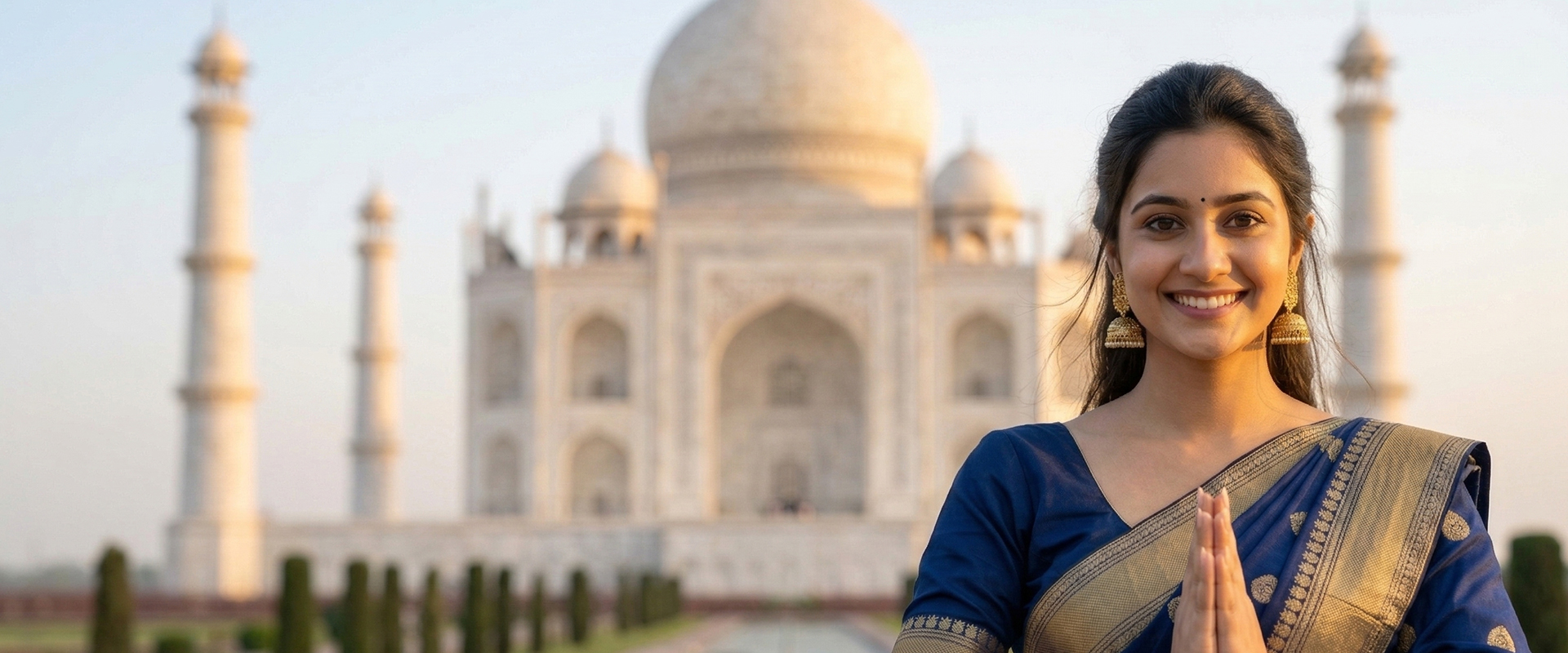
India is increasingly being trusted for medical care
India & Tajikistan: a friendship that extends to healthcare
India and Tajikistan have built a quietly impressive record of health-sector solidarity. In March 2018, India gifted 10 ambulances to various regions of Tajikistan, and in 2010 supplied 2 million doses of oral polio vaccine through UNICEF after an outbreak in south-west Tajikistan. When COVID-19 struck, India provided 50,000 hydroxychloroquine tablets, 100,000 paracetamol tablets and a further 4.6 tonnes of medical supplies in May 2020. Under its Vaccine Maitri initiative, India then delivered 192,000 doses of Covishield (AstraZeneca) in March 2021, followed by an additional 698,500 doses later that year. The centrepiece of bilateral healthcare cooperation is the fully equipped, 50-bed India–Tajikistan Friendship Hospital (ITFH), handed over to Tajikistan in June 2022 and staffed by Indian Army doctors; it has treated more than 100,000 patients and received over 42 tonnes of Made-in-India medicines. On the people-to-people side, Tajikistan has been an ITEC partner since 1996, with nearly 1,200 Tajik scholars trained in India since 2014 alone.
These bonds extend in both directions. Around 1,350 Indian medical students are enrolled at Tajik State Medical University — the single largest segment of India's community in Tajikistan — and Indian pharmaceutical companies maintain a commercial presence in Dushanbe. For a Tajik patient considering treatment in India, this history matters: India is not a distant unknown but a country that has sent ambulances, medicines, vaccines and doctors to Tajikistan for decades, making it a familiar and trusted destination for quality, affordable medical care.
Sources: Embassy of India, Dushanbe — Bilateral Relations & Visits page (eoidushanbe.gov.in, accessed July 2026); Embassy of India, Dushanbe — Indian Community in Tajikistan page (eoidushanbe.gov.in); Embassy of India, Dushanbe — ITEC Training Programmes page (eoidushanbe.gov.in); Embassy of India, Dushanbe — Press Release on India–Tajikistan Friendship Hospital (eoidushanbe.gov.in/news_letter_detail/?id=146).
Specialties for which patients generally travel to India
Heart treatment leads the corridor — across Cardiac Surgery and Cardiology, patients from Tajikistan most often travel for Coronary Angioplasty & Stenting, Coronary Artery Bypass Grafting (CABG), Heart Transplant Surgery, Heart Valve Replacement Surgery and TAVI / TAVR.
Cancer care is another major draw: Medical Oncology and Surgical Oncology, with Cancer Immunotherapy, Chemotherapy for Cancer and Targeted Therapy for Cancer among the most sought treatments.
Many patients also come for Brain, spine & nerve care — Neurosurgery — particularly Brain Tumor Surgery and Pituitary Tumor Surgery.
Bone & joint care completes the picture across Orthopedics, most commonly for Hip Replacement and Knee Replacement Surgery.
Popular Hospitals for Tajikistan patients in India
Accredited partner hospitals — specialties, doctors, facilities and accreditations. →
Medical visa from Tajikistan to India
Visa requirements for Tajik travellers are set by the Government of India and change from time to time. Rather than publish a procedure that may be out of date, we point you to the official source and confirm your position with you personally.
Check the official Indian government portal: indianvisaonline.gov.in — it is the only authorised site, and no third party can issue an Indian visa on your behalf.
Tell us you are travelling from Tajikistan and we will confirm what applies to you, what documents you need and what it costs — usually the same day you ask. Whichever route applies, we arrange the hospital invitation letter free of charge and guide you through the paperwork.
What to bring
- Medical reports & scans — all recent reports, imaging (on disc or drive), prescriptions and discharge summaries, ideally also as digital copies;
- Passport & photos — valid at least 6 months beyond arrival, plus a few passport-size photographs;
- Current medicines — in original packaging, with the prescriptions that cover them;
- A letter from your local doctor — diagnosis and treatment history, if available;
- Payment — an internationally enabled card and/or US dollars; hospitals accept both, and our team advises on the best way to pay;
- Comfortable clothing — loose, layered clothes for hospital stays and recovery;
- Travel documents & hospital papers — your passport, any visa or entry documents that apply to your nationality, and the hospital invitation letter;
- Your companion's documents — passport, photographs and their own travel documents.
Getting to India from Tajikistan
Most patients travelling from Tajikistan to India depart from Dushanbe International Airport (DYU), the country's main international hub. Those based further north, in or around Khujand, typically connect through Dushanbe or travel via a neighbouring hub city before picking up an onward flight to India. Direct or single-stop connections serve major Indian medical destinations including Delhi, Mumbai, and Chennai, with around 3 hours to Delhi and connecting or indirect flights can take anywhere from 9 hours to over 24 hours depending on the layover. On arrival in India, Ginger Healthcare arranges airport pickup, so patients and their companions are met and transferred directly to their accommodation or hospital without having to navigate an unfamiliar city alone. A dedicated coordinator remains the single point of contact throughout the stay.
Live prices from real airline searches — compare dates, airlines and stopovers before you budget. Opens in a new tab. See routes & fares →
Planning the cost of treatment in India
Planning a medical trip from Tajikistan to India involves more than the hospital bill. Understanding every layer of expenditure in advance helps families budget realistically and avoid unwelcome financial surprises while they are far from home.
- Treatment cost — varies with the specific diagnosis, the chosen hospital, and the treating doctor's fees; this is usually the largest single item.
- Visa fees: Whatever visa applies to your nationality carries a government fee, plus a small bank processing charge. We confirm the current route and fee with you before you apply — see the visa section below.
Pulling all of these figures together into a single, coherent picture is exactly what the Medical Tourism Cost Calculator is designed to do. It produces a tentative estimate of the complete cost — treatment, visa, travel fare, and stay — so families can plan with confidence rather than guesswork. Dedicated counsellors are available around the clock to walk through the numbers and answer any questions that arise.
| Procedure | Indicative cost (USD) |
|---|---|
| Brain Tumor Surgery | $4,000 - $11,000 |
| Chemotherapy for Cancer | $500 - $2,000 |
| Coronary Angioplasty & Stenting | $4,500 - $7,000 |
| Coronary Artery Bypass Grafting (CABG) | $3,500 - $7,000 |
| Heart Valve Replacement Surgery | $5,000 - $9,000 |
| Hip Replacement | $5,500 - $9,500 |
| Knee Replacement Surgery | $5,000 - $14,000 |
Indicative ranges for international patients — each procedure links to its detailed page. The final estimate depends on your medical reports, the hospital and the doctor.
🧮 Medical Tourism Cost CalculatorTreatment + visa + travel fare + stay — one tentative estimate, free. Estimate now →
Frequently asked questions — Tajikistan
Will there be language support in India for Tajik or Russian-speaking patients?
Many Indian hospitals that regularly treat international patients have staff who speak Russian, which is widely understood across Tajikistan. Ginger Healthcare also provides coordination support throughout your stay, helping to bridge any communication gaps between patients, families, and the medical team so that nothing important is lost in translation.