
 India
India Kyrgyzstan

Why patients from Kyrgyzstan travel abroad for treatment
Patients from Kyrgyzstan seek treatment abroad primarily when they face limited local availability of certain advanced procedures — particularly complex cardiac surgery, oncology care, organ transplants, and specialised interventions that require infrastructure or specialist volumes not yet widely accessible within the country. For conditions where timing matters greatly, such as cancer diagnosis and staged surgical treatment, the practicality of travelling sooner rather than waiting for capacity becomes a decisive factor.
India has become a trusted destination for many of these patients because it offers a broad range of advanced medical specialities under one roof, internationally trained surgeons, accredited hospitals equipped with modern technology, and treatment costs that are substantially lower than those in Europe, the Gulf, or South-East Asia. English-speaking medical teams, a well-established pathway for international patients, and relatively straightforward visa access make the journey manageable even for families navigating a serious diagnosis for the first time.
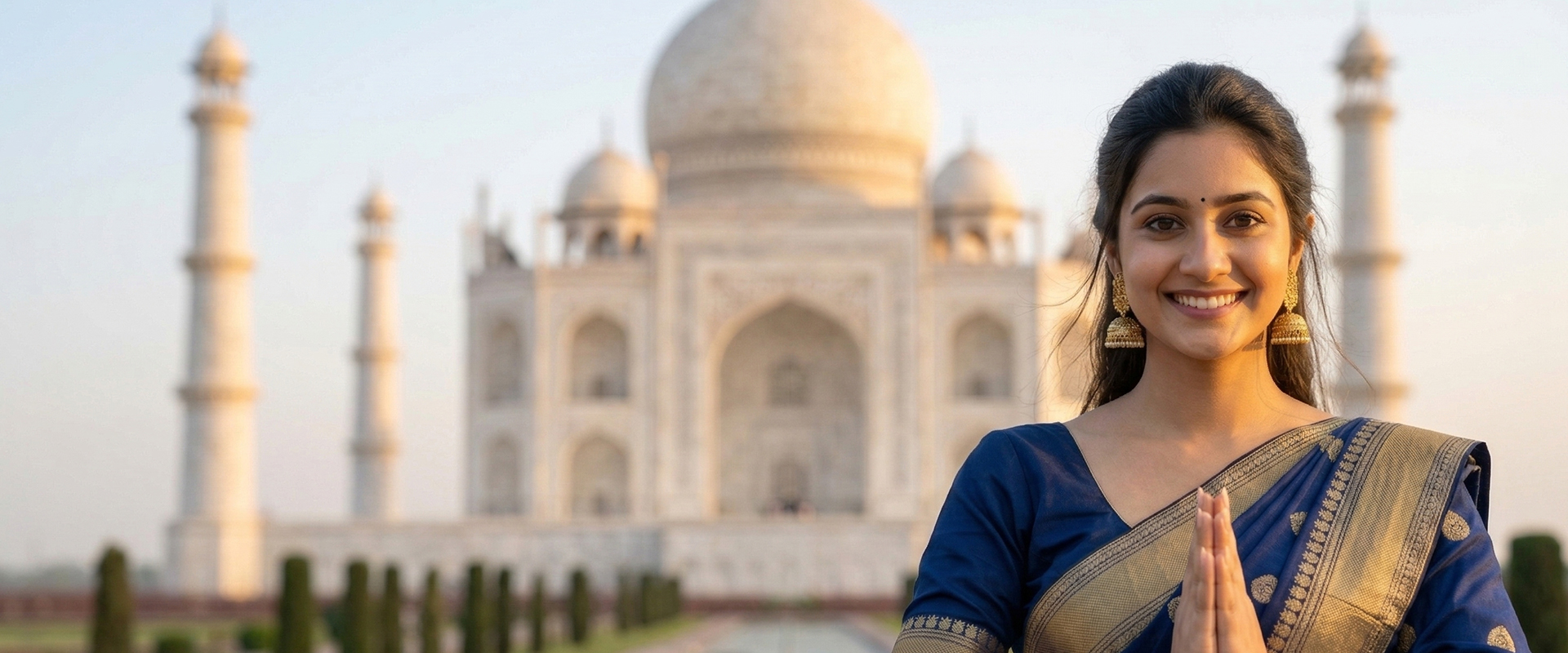
India is increasingly being trusted for medical care
India & Kyrgyzstan: a friendship that extends to healthcare
India and the Kyrgyz Republic have shared a Strategic Partnership since 2019, underpinned by decades of people-to-people and health cooperation. India has extended substantial technical assistance to Kyrgyzstan in the health domain, including the establishment of tele-medicine links connecting six hospitals across the country, as well as the provision of Bhabhatron-II radiotherapy equipment and an imaging simulator for treating cancer patients. India additionally contributed US $1 million through the India-UN Development Partnership Fund for a project improving reproductive and maternal health services in the mountainous regions of Jalalabad, Karakol and Chui. Separately, PM Modi personally reviewed gifted medical equipment delivered to a field hospital in Bishkek during his 2015 visit. On capacity-building, Kyrgyzstan has been an ITEC partner since 1992, with nearly 1,500 Kyrgyz scholars trained in India to date and 100 slots allocated for 2023–24 alone.
The human bridge between the two countries is exceptionally strong: Kyrgyzstan hosts the largest Indian diaspora in all of Central Asia — a community of around 17,000 — of whom an estimated 16,000+ are Indian medical students enrolled in NMC- and WHO-recognised universities in Bishkek, Kant, Osh, Issyk-Kul and Jalalabad. This deep, lived familiarity means that for a Kyrgyz patient seeking advanced care in India, the country is anything but foreign — Indian doctors, Indian food, and a well-trodden path already connect the two nations every day.
Sources: India–Kyrgyz Republic Bilateral Relations Brief, Embassy of India, Bishkek (December 2024); ITEC page, Embassy of India, Bishkek (2023–24); Development Partnerships / High Impact Community Development Projects, Embassy of India, Bishkek (indembbishkek.gov.in); Ambassador's interview with AKIpress, Embassy of India, Bishkek (indembbishkek.gov.in).
Specialties for which patients generally travel to India
Heart treatment leads the corridor — across Cardiology, patients from Kyrgyzstan most often travel for Coronary Angioplasty & Stenting, Pacemaker Implantation and TAVI / TAVR.
Fertility & women's health is another major draw: Infertility & IVF, with Donor Egg IVF, ICSI (Intracytoplasmic Sperm Injection) and IVF (In-Vitro Fertilization) Treatment among the most sought treatments.
Many patients also come for Cancer care — Medical Oncology — particularly Cancer Immunotherapy, Chemotherapy for Cancer and Targeted Therapy for Cancer.
Brain, spine & nerve care completes the picture across Neurosurgery, most commonly for Brain Tumor Surgery.
Eye, ear & dental care (Ophthalmology) is also among the care patients from Kyrgyzstan commonly seek in India.
Many patients also come for Bone & joint care — Orthopedics — particularly Hip Replacement and Knee Replacement Surgery.
Popular Hospitals for Kyrgyzstan patients in India
Accredited partner hospitals — specialties, doctors, facilities and accreditations. →
Medical visa from Kyrgyzstan to India
Visa requirements for Kyrgyz travellers are set by the Government of India and change from time to time. Rather than publish a procedure that may be out of date, we point you to the official source and confirm your position with you personally.
Check the official Indian government portal: indianvisaonline.gov.in — it is the only authorised site, and no third party can issue an Indian visa on your behalf.
Tell us you are travelling from Kyrgyzstan and we will confirm what applies to you, what documents you need and what it costs — usually the same day you ask. Whichever route applies, we arrange the hospital invitation letter free of charge and guide you through the paperwork.
What to bring
- Medical reports & scans — all recent reports, imaging (on disc or drive), prescriptions and discharge summaries, ideally also as digital copies;
- Passport & photos — valid at least 6 months beyond arrival, plus a few passport-size photographs;
- Current medicines — in original packaging, with the prescriptions that cover them;
- A letter from your local doctor — diagnosis and treatment history, if available;
- Payment — an internationally enabled card and/or US dollars; hospitals accept both, and our team advises on the best way to pay;
- Comfortable clothing — loose, layered clothes for hospital stays and recovery;
- Travel documents & hospital papers — your passport, any visa or entry documents that apply to your nationality, and the hospital invitation letter;
- Your companion's documents — passport, photographs and their own travel documents.
Getting to India from Kyrgyzstan
Most patients from Kyrgyzstan depart from Manas International Airport in Bishkek (IATA: FRU), with travellers from the south of the country often routing through Osh before connecting onward. Direct flights to India are not currently available from Bishkek, so the journey typically involves one stop — commonly in a Gulf hub such as Dubai, Abu Dhabi, or Doha, or via Central Asian connections — before arriving at major Indian medical gateway cities including Delhi, Mumbai, Chennai, Hyderabad, or Bangalore. There are currently no scheduled nonstop flights from Bishkek's Manas International Airport (FRU) to any Indian city. Patients must travel via a connecting hub — most commonly Dubai, Abu Dhabi, Istanbul, Tashkent, or Almaty — with airlines such as Turkish Airlines, Flydubai, Air Astana, Wizz Air Abu Dhabi, and Uzbekistan Airways offering one-stop connections to Delhi and other Indian gateway cities. Notably, Kyrgyz carrier TezJet Airlines and Aero Nomad Airlines have operated seasonal direct services on the Bishkek–Delhi route; however, these services are subject to schedule changes and passengers should confirm current availability directly with the airline before booking.. Upon arrival, Ginger Healthcare's team arranges airport pickup, transfers to the hospital or accommodation, and on-ground support throughout the stay, so patients and their families are not navigating an unfamiliar city alone.
Live prices from real airline searches — compare dates, airlines and stopovers before you budget. Opens in a new tab. See routes & fares →
Planning the cost of treatment in India
Planning a medical trip to India involves thinking beyond the hospital bill alone. Understanding the full picture of likely expenditure — before you travel — helps families make confident decisions and avoid financial stress at an already difficult time.
- Treatment cost: Varies with the diagnosis, the complexity of the procedure, the hospital chosen, and the treating doctor's seniority and specialisation.
- Visa fees: Whatever visa applies to your nationality carries a government fee, plus a small bank processing charge. We confirm the current route and fee with you before you apply — see the visa section below.
| Procedure | Indicative cost (USD) |
|---|---|
| Brain Tumor Surgery | $4,000 - $11,000 |
| Chemotherapy for Cancer | $500 - $2,000 |
| Coronary Angioplasty & Stenting | $4,500 - $7,000 |
| Hip Replacement | $5,500 - $9,500 |
| IVF (In-Vitro Fertilization) Treatment | $2,500 - $4,500 |
| Knee Replacement Surgery | $5,000 - $14,000 |
Indicative ranges for international patients — each procedure links to its detailed page. The final estimate depends on your medical reports, the hospital and the doctor.
🧮 Medical Tourism Cost CalculatorTreatment + visa + travel fare + stay — one tentative estimate, free. Estimate now →
Frequently asked questions — Kyrgyzstan
Will I be able to communicate easily with doctors and hospital staff in India?
Yes. Medical teams at India's major internationally accredited hospitals routinely treat patients from across Central Asia and communicate in English. Ginger Healthcare's coordinators can also assist with interpretation and patient communication throughout your stay.
How do I get from the airport to the hospital once I arrive in India?
Ginger Healthcare arranges airport pickup and transfers to the hospital or your accommodation as part of its standard on-ground support. You will receive arrival instructions and a local contact before you depart Bishkek, so you are not managing logistics in an unfamiliar city on your own.
Google Reviews
What patients say about treatment in India & experience with us
 Shirin Nazarova
“Good day! This team is truly wonderful, and I am so grateful for all their help and support. I would highly recommend them to everyone! I would especially like to mention the lovely Faizan Jalali, Dolma, and Natasha. They have helped us so much and always took the time to find answers to all our questions. They were incredibly helpful, kind, patient, and caring. Whenever we had a problem, they were always there to help, and everything was resolved within just a few minutes. Their kindness and professionalism made a difficult situation much easier for us. Thank you so much for everything you have done for us. We truly appreciate your support and care. And most importantly, I hope you will always stay healthy and happy and that you will never have to deal with health problems yourselves. Please always take good care of yourselves! We are very grateful to you all. Thank you from the bottom of our hearts! ❤️ All of my family grateful, mom happy and healthy!”