
 India
India Malaysia

Why patients from Malaysia travel abroad for treatment
Malaysia has a well-regarded healthcare system, yet patients here sometimes encounter limited availability of highly specialised procedures — particularly complex cardiac surgery, advanced cancer therapies, and organ transplants — as well as capacity constraints that can affect access to certain tertiary-level care. For conditions requiring a bone marrow transplant, a living-donor liver transplant, or a proton-beam cancer programme, patients and their families may need to look beyond their home country simply because the relevant expertise or infrastructure is not yet widely established locally.
India has grown into one of Asia's most sought-after destinations for medical travel, offering a breadth of specialist expertise, internationally accredited facilities, and treatment costs that are typically a fraction of those in Western countries or Singapore. The geographic proximity keeps travel manageable, direct flights connect Malaysia's main cities to several Indian medical hubs, and the large English-speaking clinical workforce means communication rarely becomes a barrier. For Malaysian patients weighing their options, India combines clinical depth with practical accessibility in a way few destinations can match.
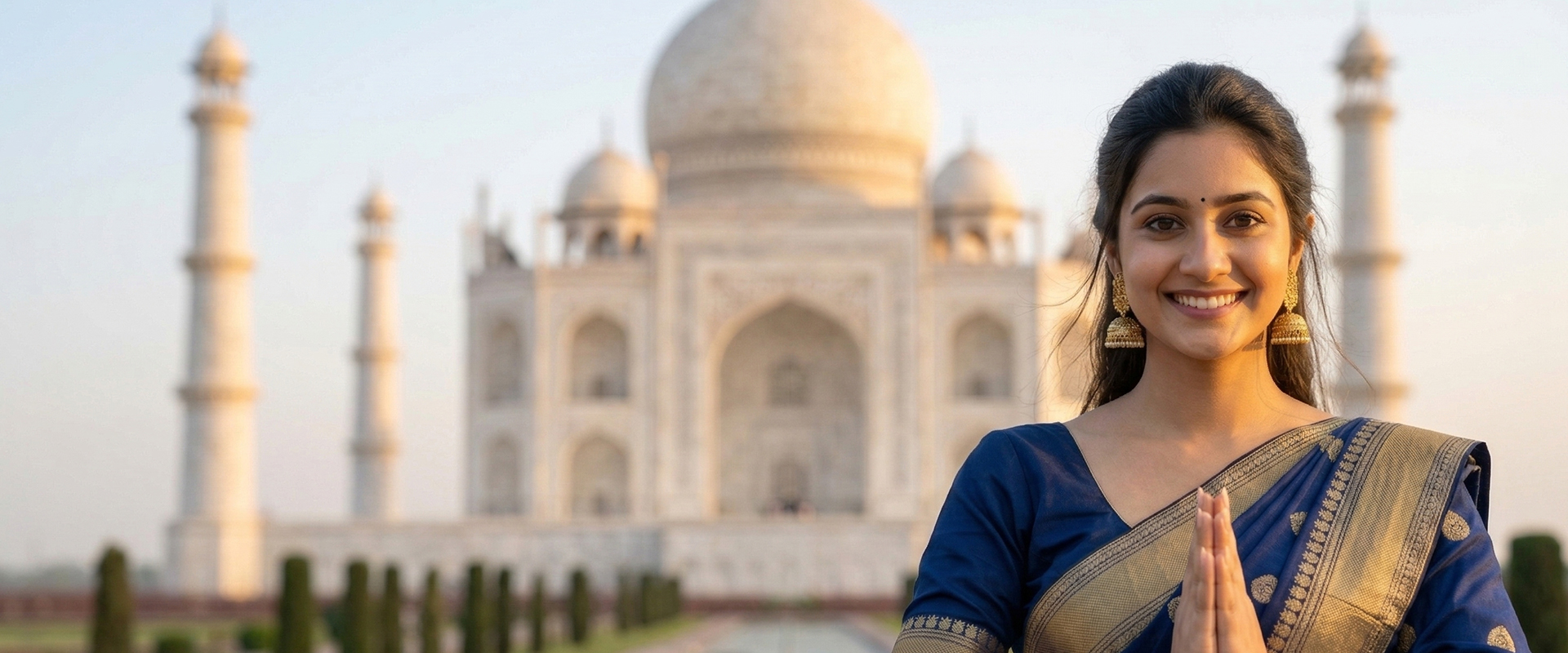
India is increasingly being trusted for medical care
India & Malaysia: a friendship that extends to healthcare
India and Malaysia share bonds that extend well into healthcare. The two countries signed an MoU on cooperation in Traditional Medicine as far back as October 2010, and the August 2024 Joint Statement on the Comprehensive Strategic Partnership saw both Prime Ministers reaffirm the Ayurveda Chair at Universiti Tunku Abdul Rahman (UTAR) — established under India's Ministry of AYUSH — and commit to concluding an MoU on Pharmacopoeia cooperation. In February 2026, during PM Modi's official visit to Putrajaya, both governments exchanged a formal note on cooperation in health and medicine, welcomed the MoU between India's Central Council for Research in Homoeopathy (CCRH) and the University of Cyberjaya (signed October 2025), and Malaysia reaffirmed its commitment to deploying Traditional Indian Medicine experts to Malaysian public hospitals under the ITEC programme.
People ties reinforce these institutional links. Malaysia is home to approximately 2.75 million Persons of Indian Origin — about 6.8 % of the population — making it the country with the third-largest Indian diaspora in the world. Around 3,000 Malaysian students study in India, many in medicine and allied health programmes in South India. For a Malaysian patient considering care in India, the country is therefore far from unfamiliar: shared language, cultural kinship, an established diaspora network, and decades of structured health cooperation make India a natural and well-connected destination for medical travel.
Sources: India–Malaysia Bilateral Relations Brief, Ministry of External Affairs, Government of India (2025 edition, mea.gov.in); Joint Statement on India–Malaysia Comprehensive Strategic Partnership, PMIndia / Ministry of External Affairs (20 August 2024); Bernama / MEA readout on PM Modi's Official Visit to Malaysia (8 February 2026); High Commission of India, Kuala Lumpur — Education & PIO pages (hcikl.gov.in); High Commission of India, Kuala Lumpur — NIA–UTAR AYUSH MoU Press Release (December 2016).
Specialties for which patients generally travel to India
Heart treatment leads the corridor — across Cardiac Surgery, patients from Malaysia most often travel for Coronary Artery Bypass Grafting (CABG), Heart Transplant Surgery and Heart Valve Replacement Surgery.
Fertility & women's health is another major draw: Infertility & IVF, with Donor Egg IVF, ICSI (Intracytoplasmic Sperm Injection) and IVF (In-Vitro Fertilization) Treatment among the most sought treatments.
Many patients also come for Cancer care — Medical Oncology — particularly Cancer Immunotherapy and Targeted Therapy for Cancer.
Brain, spine & nerve care completes the picture across Neurosurgery, most commonly for Brain Tumor Surgery and Pituitary Tumor Surgery.
Eye, ear & dental care (Ophthalmology) is also among the care patients from Malaysia commonly seek in India.
Many patients also come for Bone & joint care — Orthopedics — particularly Hip Replacement and Knee Replacement Surgery.
Popular Hospitals for Malaysia patients in India
Accredited partner hospitals — specialties, doctors, facilities and accreditations. →
Medical visa from Malaysia to India
Visa requirements for Malaysian travellers are set by the Government of India and change from time to time. Rather than publish a procedure that may be out of date, we point you to the official source and confirm your position with you personally.
Check the official Indian government portal: indianvisaonline.gov.in — it is the only authorised site, and no third party can issue an Indian visa on your behalf.
Tell us you are travelling from Malaysia and we will confirm what applies to you, what documents you need and what it costs — usually the same day you ask. Whichever route applies, we arrange the hospital invitation letter free of charge and guide you through the paperwork.
What to bring
- Medical reports & scans — all recent reports, imaging (on disc or drive), prescriptions and discharge summaries, ideally also as digital copies;
- Passport & photos — valid at least 6 months beyond arrival, plus a few passport-size photographs;
- Current medicines — in original packaging, with the prescriptions that cover them;
- A letter from your local doctor — diagnosis and treatment history, if available;
- Payment — an internationally enabled card and/or US dollars; hospitals accept both, and our team advises on the best way to pay;
- Comfortable clothing — loose, layered clothes for hospital stays and recovery;
- Travel documents & hospital papers — your passport, any visa or entry documents that apply to your nationality, and the hospital invitation letter;
- Your companion's documents — passport, photographs and their own travel documents.
Getting to India from Malaysia
Malaysia is well connected to India's main medical cities, with direct and single-stop services operating from Kuala Lumpur (KUL), the country's primary international gateway. Travellers originating from Penang or Johor Bahru generally connect through KUL, where onward options to Chennai, Delhi, Mumbai, Hyderabad and Bengaluru are frequent. Typical round-trip economy fares fall in the range of USD 400–700, though prices vary with season and how far in advance seats are booked. On arrival in India, Ginger Healthcare's ground team coordinates airport pick-up, transfers to the hospital or initial accommodation, and interpreter support where needed — so the practical side of arriving in an unfamiliar city is handled before you land.
Live prices from real airline searches — compare dates, airlines and stopovers before you budget. Opens in a new tab. See routes & fares →
Planning the cost of treatment in India
Planning a medical journey to India involves several layers of expenditure beyond the treatment itself. Understanding each of them early — before tickets are booked or leave is arranged — allows families to budget realistically and travel with confidence rather than anxiety.
- Treatment cost — varies considerably depending on the diagnosis, the specific procedure, the hospital chosen, and the experience of the treating surgeon or specialist team.
- Visa fees: Whatever visa applies to your nationality carries a government fee, plus a small bank processing charge. We confirm the current route and fee with you before you apply — see the visa section below.
Bringing all five of these together into a single, honest estimate is exactly what the Medical Tourism Cost Calculator is designed to do — giving a tentative figure covering treatment, visa, travel fare and stay in one place, so no element catches a patient off guard. Dedicated counsellors are available around the clock to walk through the numbers and answer questions specific to your situation.
| Procedure | Indicative cost (USD) |
|---|---|
| Brain Tumor Surgery | $4,000 - $11,000 |
| Coronary Artery Bypass Grafting (CABG) | $3,500 - $7,000 |
| Heart Valve Replacement Surgery | $5,000 - $9,000 |
| Hip Replacement | $5,500 - $9,500 |
| IVF (In-Vitro Fertilization) Treatment | $2,500 - $4,500 |
| Knee Replacement Surgery | $5,000 - $14,000 |
Indicative ranges for international patients — each procedure links to its detailed page. The final estimate depends on your medical reports, the hospital and the doctor.
🧮 Medical Tourism Cost CalculatorTreatment + visa + travel fare + stay — one tentative estimate, free. Estimate now →
Frequently asked questions — Malaysia
Will I be able to communicate easily with doctors and hospital staff in India?
English is widely used as a working language across India's major hospitals, and virtually all specialists who see international patients communicate fluently in English. Malaysian patients generally find the language transition straightforward, and Ginger Healthcare's coordinators are on hand throughout to assist with any communication needs.
Which cities in India do Malaysian patients typically travel to for treatment?
The most common destinations are Chennai, Delhi, Mumbai, Hyderabad and Bengaluru, all of which have direct or straightforward connecting flights from Kuala Lumpur. The right city depends on the specific treatment needed and the hospital that best suits your case — Ginger Healthcare's counsellors can guide that choice based on your medical requirements.
Google Reviews
What patients say about treatment in India & experience with us
 Khaliun Jargalsaikhan
“We are extremely grateful for mohsin from the Ginger Healthcare team. He supported us in everything—both indoor and outdoor hospital work—with great care and professionalism. At first, we were scared and unsure who would guide us, but mohsin made everything easy and smooth. His presence, communication, and guidance were truly excellent. We’re very happy with his service. And the whole team informed us about the support team. Thank you for everything He is truly very good at what he does!”